Bluetongue has been one of the biggest animal health concerns for livestock farmers this summer. But thanks to an extraordinary vaccination effort, the Isle of Wight appears to have avoided the scale of losses experienced in parts of the West Country.
On Thursday 15 October, Wight Rural Hub welcomed local vet Hannah Kenway from Carisbrooke Vets Farm to Porchfield Cricket Club for an update on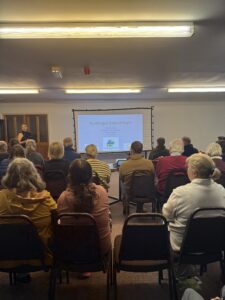 the 2026 outbreak, the situation on the Island and what farmers should be thinking about ahead of 2027. The meeting, supported by The Royal Countryside Fund, brought farmers together to hear local vet Hannah’s first-hand experience, discuss the practical challenges and ask questions about vaccination, fertility, livestock movements and disease management. For those unable to attend, here are the main points from the evening.
Bluetongue in 2026: What has happened?
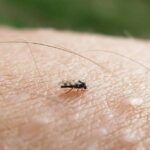
Culicoides midge
Bluetongue virus serotype 3 (BTV-3) was first detected in England in 2023. Although infections continued through 2024 and 2025, the disease initially caused relatively limited clinical problems in UK livestock compared with the serious outbreaks reported in mainland Europe. That changed this summer. Following the first clinical case in the West Country on 10 July, infections spread rapidly through Devon and Cornwall, with some sheep flocks experiencing severe illness and substantial losses. Dairy cattle were also affected. The prolonged hot weather was a significant factor. Bluetongue is transmitted by tiny biting Culicoides midges and warmer temperatures allow the virus to develop more quickly inside them, increasing the rate of transmission. The Island’s first confirmed clinical case of 2026 was identified on 25 August, in a ram in the centre of the Island. By then, Carisbrooke Vets and many Island livestock farmers had already been working hard to get animals vaccinated, potentially making an enormous difference to how the disease has affected us.
What’s happening on the Isle of Wight?
Bluetongue is almost certainly more widespread on the Island than official case figures suggest. At the time of the meeting, Carisbrooke Vets was aware of approximately ten holdings with reported or suspected cases, including animals awaiting test results. These included sheep with clear clinical signs, some suspected cattle infections and reports of sheep deaths. Not all of these were laboratory-confirmed cases. One of the difficulties is the considerable delay in receiving laboratory results, sometimes four weeks or longer. This means APHA’s published disease map can be well behind the situation farmers and vets are seeing on the ground. It is advised not to assume that a lack of reported cases nearby means the disease isn’t present. However, there was also some reassurance. With a large proportion of commercial breeding sheep now vaccinated, we are cautiously optimistic that the Island would avoid the level of severe disease experienced in parts of the West Country this year. That doesn’t mean the risk has passed. Further cases remain possible while conditions favour midge activity.
Recognising bluetongue in your livestock
BTV-3 can affect cattle, sheep, goats and other susceptible animals, but sheep have generally experienced the most severe clinical disease.
Signs in sheep
Farmers should watch for:
- Swollen, puffy faces and heads.
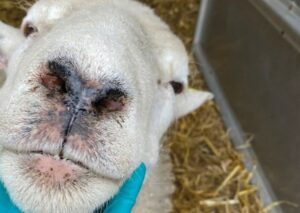
- Heavy nasal discharge or unusually snotty noses.
- Sore, swollen or discharging eyes.
- Mouth ulcers, soreness and difficulty eating or drinking.
- High temperatures and animals looking particularly miserable.
- Occasionally lameness and soreness around the hooves.
- Sudden deaths in severely affected animals.
The combination of a swollen face, nasal discharge and an animal looking noticeably unwell is particularly concerning.
Signs in cattle
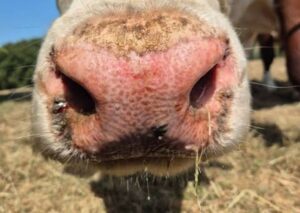
Cattle often show much milder symptoms, or no obvious signs at all. Where clinical disease occurs, farmers may see:
- Sore feet or lameness resembling laminitis.
- Redness around the hooves.
- Nasal discharge or ulcers around the mouth and nose.
- Discharge from the eyes.
- High temperatures and general discomfort.
- In some cases, lesions on the teats or udder.
Not every animal displaying these symptoms will have bluetongue. Other diseases can produce similar signs, so seek veterinary advice if you are concerned.
Fertility: an important risk that may not be immediately obvious
One of the strongest messages was the potential impact of bluetongue on breeding performance. Infection can cause temporary infertility in rams and bulls, even where clinical signs have been relatively mild. Veterinary colleagues in the West Country have reported substantial fertility problems in some breeding males following infection. Although fertility may recover, this can take several months, and an animal’s appearance is not a reliable indication that it is fit for breeding. Farmers were encouraged to consider semen testing where breeding males may have been exposed, particularly if they are relied upon to serve large numbers of females. A problem discovered before or during the breeding season is considerably easier to manage than unexpectedly poor scanning or calving results. The virus may also be present in semen, creating an additional potential risk of transmission.
What about next year’s calves?
We also discussed concerns about infection during pregnancy. Bluetongue may affect the developing foetus, potentially resulting in calves born with neurological problems, poor coordination or developmental abnormalities. Some unusual calf abnormalities were observed locally earlier this year, although bluetongue was not confirmed as the cause. Farmers should remain alert to unexpected reproductive problems and unusual calves during the 2027 calving season, and contact their vet about appropriate investigation.
Vaccination: a huge effort by Island farmers and vets
One of the most positive messages of the evening was just how much had been achieved through vaccination. Carisbrooke Vets reported supplying approximately 10,000 sheep vaccine doses and 2,000 cattle vaccine doses, with some goats and camelids also vaccinated. A large proportion of commercial breeding ewes and rams had been vaccinated by early August, before the Island’s first confirmed clinical case later that month. This was no small achievement. As the disease spread across the West Country, vaccine became increasingly difficult to source. We discussed the challenges faced by the practice’s veterinary, pharmacy and administrative teams, who worked tirelessly to locate supplies, distribute doses and coordinate vaccination for both large flocks and smaller keepers. The practice also made vaccine available to commercial farmers at cost price during the shortage, recognising the potential animal welfare and economic consequences of a serious outbreak. Farmers were thanked for acting quickly and taking on the additional work and expense of vaccinating their livestock. Although it’s impossible to know exactly what would have happened without this effort, the Island is now in a considerably stronger position as a result.
Should you vaccinate, and which animals should be prioritised?
The right decision depends on your livestock and farming system. The advice was to give particular consideration to breeding sheep, rams, bulls and other valuable breeding animals, where the consequences of infection could be substantial. For store cattle, the economic case for vaccination may be different, particularly where animals are kept for a relatively short period and are not required for breeding. Farmers should assess the risks with their vet rather than assume every animal needs the same approach. During the meeting, Hannah discussed the BTV-3 vaccines Bultavo 3 and Syvazul BTV 3, explaining differences in dosing, bottle sizes and the time required for protection to develop. Cattle require a two-dose primary course under the schedules discussed, while sheep receive a single-dose primary course. Full protection takes time to develop, making advance planning important. Vaccine availability, authorisation conditions and product guidance can change, so farmers should speak to their vet about the appropriate product and vaccination schedule.
Does vaccination affect fertility?
Concerns were addressed regarding vaccination causing fertility problems. It was explained that experience from artificial insemination centres had not identified the same fertility impact associated with bluetongue infection. As with other vaccinations, unnecessary handling and stress immediately before mating are best avoided where possible. However, the assessment was that the potential fertility consequences of infection presented a considerably greater risk than vaccination.
Buying livestock: take care with breeding replacements
Bluetongue can remain in an infected animal’s blood for a considerable period, potentially up to around 60 days, allowing biting midges to transmit the virus to other livestock. Farmers were urged to exercise particular caution when bringing in breeding animals from areas that have experienced significant outbreaks. Before purchasing replacement rams, bulls or breeding females, consider where they have come from, their vaccination history, when they were vaccinated and whether any fertility testing is advisable. An animal vaccinated only shortly before movement may not yet have developed protection. Farmers should also take care with needle hygiene during routine livestock treatments and vaccination, as infected blood can potentially be transferred between animals through contaminated needles.
If you suspect bluetongue, what should you do?
Bluetongue is a notifiable disease, so suspected cases must be reported. Hannah advised farmers to contact their veterinary practice promptly if they notice suspicious symptoms. The vet can advise whether the animal needs examining or sampling, or whether the case can be reported through the appropriate online process. APHA may cover laboratory testing through the applicable arrangements, although the cost of veterinary attendance and sample collection may still fall to the farmer. Reporting remains important even though bluetongue is already present on the Island. It helps veterinary authorities monitor disease activity, identify potential new strains and distinguish bluetongue from other serious notifiable diseases, including foot-and-mouth.
Early treatment matters
Although there is no specific cure for the virus, supportive treatment can make a considerable difference to affected animals. Hannah described the benefits of prompt veterinary treatment, including appropriate anti-inflammatory medicines, management of secondary problems and fluids for animals struggling to eat or drink. The correct treatment will depend on the individual animal and its condition, so veterinary advice is essential.
What about BTV-8?
The importance of remaining alert to other bluetongue strains was raised. The current outbreak has centred on BTV-3, but BTV-8 has previously occurred in the UK. At the time of the meeting, an animal displaying bluetongue-like symptoms had tested negative for BTV-3 and was being investigated further. This was not confirmation that BTV-8 was present on the Island. Different bluetongue serotypes require different vaccine protection, making continued surveillance and reporting particularly important.
Looking ahead to 2027: Plan early
While colder weather should gradually reduce the risk of transmission, Hannah warned that farmers should not assume bluetongue will disappear over winter. There is concern that the virus may persist through infection during pregnancy, with infected calves potentially contributing to renewed transmission when temperatures rise. Given the level of infection experienced this year, Hannah believes there is a possibility that disease activity could begin earlier next season. Advice is therefore to plan vaccination ahead of spring 2027, ideally ensuring animals are protected before the end of March, rather than waiting until cases start appearing. This would also give veterinary practices an opportunity to plan vaccine orders and avoid the shortages and last-minute arrangements experienced this summer.
Key actions for livestock farmers
- Discuss your 2027 vaccination requirements with your vet early, particularly for breeding livestock.
- Consider semen testing rams and bulls where infection or exposure may have affected fertility.
- Be cautious when buying replacements, especially breeding animals from areas with significant bluetongue activity.
- Keep flocks and herds in good health. Good nutrition, parasite control and management of existing disease can help animals cope better with infection.
- Watch for signs of bluetongue and report suspected cases promptly.
It was also explained that vaccination in one flock or herd can have wider benefits by reducing the number of susceptible animals in which the virus can multiply, potentially helping neighbouring livestock keepers too.
Further information and support
The presentation included a useful collection of practical resources, including:
- AHDB BTV-3 vaccination finance calculator (sheep)
- APHA Report suspected bluetongue
- Bluetongue: guidance & latest situation
- Bluetongue: how the Animal Health & Welfare Pathway can support farmers
- Livestock disease guidance
- Ruminant Health & Welfare Bluetongue impact survey
- Report your use of the bluetongue serotype 3 (BTV-3) vaccine
- AHDB BTV-3 vaccination finance calculator (sheep)
- APHA Report suspected bluetongue
- Bluetongue: guidance & latest situation
- Bluetongue: how the Animal Health & Welfare Pathway can support farmers
- Livestock disease guidance
- Ruminant Health & Welfare Bluetongue impact survey
- Report your use of the bluetongue serotype 3 (BTV-3) vaccine
Support for farming families
The evening’s presentation also highlighted the work of the Farming Community Network (FCN), which provides free, confidential support for farmers and their families facing difficulties, including financial pressures, stress and animal health challenges. FCN’s helpline is available daily from 7am to 11pm on 03000 111 999, or by email at help@fcn.org.uk.
Thank you
The evening provided an opportunity for farmers to hear a detailed local update, raise their concerns and share experiences as the Island responds to an unfamiliar and potentially serious livestock disease. Our thanks go to Hannah Kenway and everyone at Carisbrooke Vets Farm for their expertise, time and considerable efforts on behalf of Island farmers throughout the summer. Thank you also to everyone who attended, contributed to the discussion and completed our feedback survey. We are especially grateful to The Royal Countryside Fund for supporting the meeting, enabling Wight Rural Hub to bring farmers together, share practical advice and help the Island’s farming community respond to current challenges.
The main message from the evening was reassuring but clear: the Island’s response this summer has put us in a better position but preparation for next spring will be just as important.
This article summarises the presentation and discussion held on 15 October 2026. Local case estimates and veterinary advice reflect information available at that time. Farmers should check current guidance and consult their vet when making decisions about vaccination, treatment and disease management.
Wight Rural Hub
www.wightruralhub.co.uk | info@wightruralhub.co.uk | 01983 296244
For fun: Benjamin Strugnell – there are not enough songs about sheep drugs in the world