The Isle of Wight Farming in Protected Landscapes (FiPL) Scheme has reopened for its sixth year to support projects within the Isle of Wight National Landscape that will deliver one or more of the following outcomes:
- Climate (Carbon storage, flood risk reduction and resilience to climatic change)
- Nature (Habitat creation, restoration and connectivity to promote biodiversity)
- People (Greater public access, engagement and volunteer opportunities)
- Place (Landscape conservation, historic feature protection and farm business resilience)
Eligibility and Application Process
FiPL funding applies to land within the Isle of Wight’s National Landscape (formally the AONB) shown on the map below.
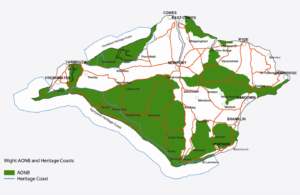
For previous projects, further information and an application form, please visit our website:
Farming in Protected Landscapes – Isle of Wight National Landscape
Grant Assessment and Funding Levels
Applications are assessed by a Local Advisory Panel and funding may be offered at variable rates depending upon the project type. As a general guide:
- 100% for non-commercial projects
- 40-80% for environmental projects which benefit the applicant
- Up to 40% for purely commercial projects
Project Timing and Considerations
FiPL grants must be fully allocated and claimed by early March 2027, careful project scheduling is essential, e.g. some activities such as tree planting, are best scheduled for the autumn. Contractor availability and weather conditions may affect timelines and unspent funds cannot be rolled over.
To arrange an initial site visit and discussion with an advisor, please email lucy.temple@iow.gov.uk
Lucy Temple and Richard Grogan are speaking at Wight Rural Hub’s Scheme Update Meeting at 18:30 on Thursday 4 June 2026 at Newclose County Cricket Ground
Tickets have already been taken up with more than 70 local farmers and advisors.
Disclaimer: This article has been provided by an external contributor and reflects their understanding at the time of writing. As government policy, grants and scheme guidance may change, readers should verify current requirements and seek independent professional advice where appropriate. Wight Rural Hub accepts no liability for actions taken in reliance on this content.